Our mission is to work collaboratively to support mutually beneficial community engagement in research, teaching, and public service at individual UC campuses and across the UC system.
The University of California Community Engagement Network (UCCEN) is a self-organized group of community engagement administrators, faculty and staff representing each of the ten UC campuses.
If you are a UC faculty, staff member or administrator eager to connect across campuses and share information about best practices, initiatives and programs, we welcome you.

What is Community Engagement?
The Carnegie Foundation provides the following definition for community engagement.
“Community engagement describes collaboration between institutions of higher education and their larger communities (local, regional/state, national, global) for the mutually beneficial exchange of knowledge and resources in a context of partnership and reciprocity.
The purpose of community engagement is the partnership of college and university knowledge and resources with those of the public and private sectors to enrich scholarship, research, and creative activity; enhance curriculum, teaching, and learning; prepare educated, engaged citizens; strengthen democratic values and civic responsibility; address critical societal issues; and contribute to the public good.”

Our Goals
The Network provides opportunities for connecting across campuses and sharing information about best practices, initiatives, and programs. It is open to any UC-affiliated faculty, administrator, or staff interested in advancing community-engaged work. We have a 30-person Council with three representatives from each of the UC campuses and a Steering Committee composed of representatives from the Council. Three primary goals that drive Network activities are to:
1. Build the collective capacity of UC community engagement through communication and coordination across the UC system;
2. Share best practices and resources in community-engaged research, teaching and learning; and
3. Promote alignment of systemwide policies with our values in public impact and community engagement.
Community-Engaged Resources
- Learn about funding opportunities, workshops, programs, and toolkits for effective partnerships.
- Discover best practices and resources to support mutually beneficial community engagement.

Steering Committee
Our quarterly network meetings are guided by our Steering Committee who meets monthly to set strategic priorities to enhance community-engaged practices across the UC Network.

Emily Ozer
Faculty Advisor to the Provost, Public Scholarship and Engagement and Professor of Community Health Sciences
UC Berkeley School of Public Health
(510) 642-1723

Beth Claassen Thrush
Director of Strategic Initiatives and
Special Projects
Chancellors Office General Ops Dept
UC Riverside
(951) 827-1122
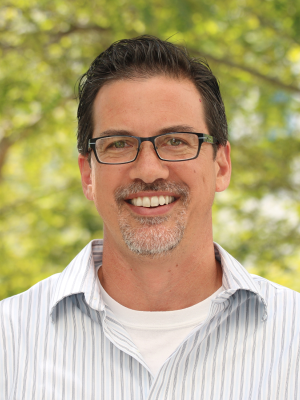
Walid Afifi
Professor of Communication
Associate Dean and Director
Initiatives for Community Engaged Research and Pedagogy
UC Santa Barbara

Rebecca London
Department Chair &
Professor of Sociology
Founding Faculty Campus + Community
UC Santa Cruz
(831) 459-5376

Michelle L. Caswell
Associate Professor of Archival Studies in the Department of Information Studies
UCLA School of Education
caswell@seis.ucla.edu
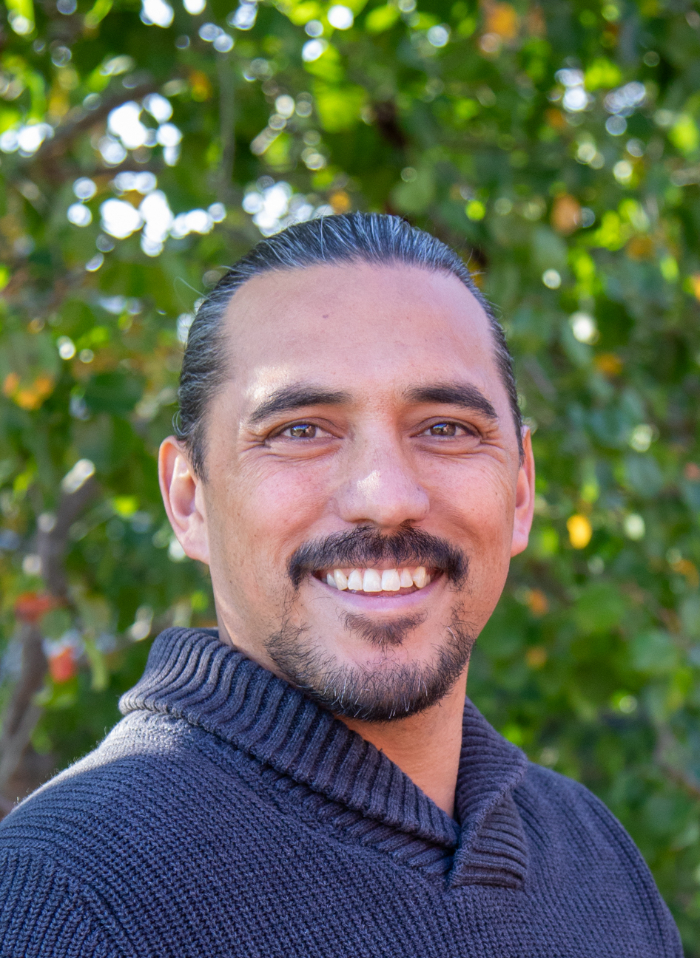
Ned LeBlond
Executive Director for the Institute for Social Transformation
UC Santa Cruz
(319) 321-4356
Our Network of thirty members consists of three practitioners from each of the ten distinguished UC campuses










FAQs
What is community engagement?
While the Carnegie Foundation provides the following definition for community engagement, there are many definitions. Even the White House Office of Science and Technology Policy (OSTP) briefly had a working definition: “Community-engaged research refers to research conducted collaboratively with groups of people affiliated by geographic proximity, special interests, or similar situations with respect to issues affecting their well-being. Researchers engage with a community to develop research questions, design a study, and collect data.”
For our Network, community-engaged research and scholarship are descriptive shorthand for how academics fairly and transparently partner with community members to design and co-create knowledge that benefits groups that have been marginalized.
Why community engagement? Why now?
The changing public perception of higher education’s value presents a challenge, but also an opportunity to find ways to demonstrate and communicate meaningful impact outside the academy. A greater focus on broader impacts and community engagement in federal and state research granting agencies is one opportunity area. Second, within the University of California, greater attention to student success challenges the way education has been historically delivered and provides an opportunity for novel forms of student learning that impart life-long learning skills. Lastly, attracting and retaining a diverse professoriate in a competitive work environment is also an emerging focus, especially in a post-COVID era. Collectively, these are some of the major issues facing the University of California and it is where investment in community engagement provides a historical opportunity to systematically demonstrate, assess, and communicate collective impact.
A divisive and politically motivated rhetoric that points to universities as institutions focused on indoctrination can be seen on a regular news cycle across the nation. This is in addition to a perception of the diminishing economic returns for students upon graduation. It is in the context of changing public perceptions of higher education that we believe an increased focus on societal impact through community engagement will play a critical role in UC’s future.
How is UCCEN structured?
The Network has formal representation at each of the 10 UC campuses, with 3 representatives per campus. The Steering Community advises on UCCEN governance, policies, and activities. Individuals commit to a two-year term. Representation is encouraged to include research, student learning, and administration (or other third representative that fits the needs of the campus). Representation should reflect the diversity of campus personnel.
How do I get involved?
The Network provides opportunities for networking and connecting, seeking information about best practices, initiatives and programs. Reach out to one of our members at your institution.
How do I become a member?
The Network is open to UC faculty and staff interested or involved in community engagement.
How is UCCEN structured?
The Network has formal representation at each of the 10 UC campuses, with 3 representatives per campus. The Steering Community advises on UCCEN governance, policies, and activities. Individuals commit to a two-year term. Representation is encouraged to include research, student learning, and administration (or another third representative that fits the needs of the campus). Representation should reflect the diversity of campus personnel.
Who is on the Steering Committee?
The Steering Committee consists of 3-5 representatives from the Council. Council members may indicate interest in/capacity for Steering Committee service at the beginning of each academic year.
What is the role of the Steering Committee?
The Steering Committee is composed of representatives from the Council and meets monthly to set strategic priorities, coordinate programming, and ensure alignment with the Network’s mission of advancing community-engaged practices across the UC system. The committee sets council agendas, identifies issues/topics, develops working groups, and guides UCCE activities. They serve 2-year renewable terms.
How often does the Network meet?
The full Network convenes quarterly for network-wide meetings, while the Steering Committee meets monthly to manage strategic priorities and coordinate ongoing initiatives across the UC system.
How does UCCEN share best practices across campuses?
The Network facilitates the exchange of best practices through quarterly meetings, shared resource repositories, working groups, and collaborative publications that highlight effective community engagement models from across the UC system.
How does community engagement relate to the UC’s public service mission?
Community engagement is central to the University of California’s public service mission. By fostering mutually beneficial partnerships between UC campuses and their surrounding communities, UCCEN helps fulfill the university’s commitment to contributing to the public good through research, teaching, and service.
 UC Community Engagement Network